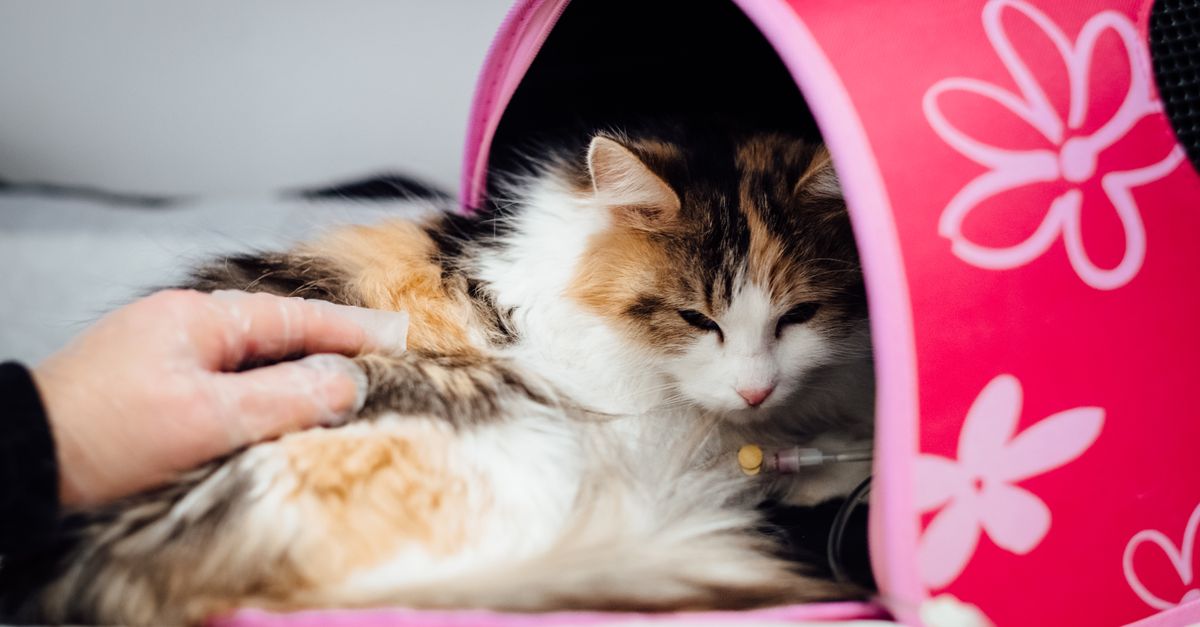
Cats are quiet patients. A dog with a sore paw announces it; a cat with the same sore paw simply naps in a different spot and eats a little less. That is why cat care works best as a short daily checklist rather than a weekly review: the changes that matter are small, early, and easy to miss if nobody is looking on purpose. This is the routine we recommend — ten minutes in the morning, five in the evening, built around what cats actually need daily rather than what makes owners feel busy. It pairs with our cat care routine basics, which covers the weekly rhythm; this page is the daily layer, and it is deliberately boring, because boring is what keeps cats healthy.
Why Daily Beats Weekly For Cats
The core reason is physiological: cats are both predators and prey animals, which means hiding weakness is a survival instinct, not a personality quirk. By the time a change is obvious — the cat is visibly thinner, or stops using the box, or hides for a whole day — the underlying issue has usually been developing for days. Daily checks compress the timeline between a change and a human noticing it from a week or more to about 24 hours, and in many common situations that difference is the difference between a routine vet visit and an emergency one. Feline health references, including the Cornell Feline Health Center, consistently frame early detection through routine observation as one of the most effective things an owner can do, since cats rarely show illness until it is advanced.
The second reason is behavioral: cats are creatures of routine, and the daily checklist is not only inspection but structure. A cat that is played with at roughly the same times, fed on a predictable pattern, and scooped on a schedule is a cat with lower baseline stress — and stress shows up in exactly the places the checklist looks: appetite, elimination, and sociability.
The Morning Checklist
Run these in order, before the day gets busy. Total time: about ten minutes.
| Check | What to look for | What it tells you |
|---|---|---|
| Food and water | Fresh water; yesterday’s wet food removed; appetite at the normal level | Eating less is often the first sign of almost everything |
| Litter box | Scooped; clumps present and normal in size and number | Box changes precede most urinary and digestive issues |
| Body scan | Quick stroke along the back, belly, and paws for flinching or new lumps | Cats rarely show pain until it is significant |
| Eyes, ears, nose | Clear eyes, clean ears, no new discharge | Small changes here are cheap to treat early |
| Play session | Ten minutes of chase or pounce play before you leave | Daily play covers exercise and hunting instinct in one |
The appetite row deserves special respect. A cat that eats noticeably less for a single meal is not an emergency; a cat that eats less across a full day, or skips two meals entirely, warrants a same-day call to the vet, because cats can develop serious liver complications from not eating. When in doubt about whether a change is big enough to mention, the AAFP cat owner guidelines are a reliable reference point for what is normal and what is not.
The Evening Checklist
Five minutes before bed. The goal is not to repeat the morning but to close the loop on the day.
| Check | What to look for |
|---|---|
| Second meal and water top-up | Normal enthusiasm for food; water level falling as usual |
| Litter box second pass | Normal use since the morning scoop; no straining or crying at the box |
| Evening play | Five to ten minutes; the cat engages at its usual level |
| Behavior note | One line in a notebook or phone note if anything was off today |
The behavior note is the least glamorous row and the most valuable one over time. “Hid under the bed all evening” or “played half-heartedly” feels too small to write down, but three consecutive days of such notes is a pattern, and a written pattern is what a vet can work with. Memory smooths over small changes; the notebook does not.
A Worked Example: The Slow Change The Checklist Caught
Here is the checklist doing its job in an ordinary apartment with one eight-year-old cat. On a Tuesday morning, the appetite row shows the cat leaving a quarter of her breakfast, which she never does. The evening note says “played but quit early”. By Thursday the morning rows show two skipped meals and the litter pass shows smaller clumps than usual — nothing dramatic, no crying, no hiding. The owner calls the vet with four days of written notes, the cat is seen that afternoon, and a developing urinary issue is caught before it becomes a blockage emergency. The worked math that explains the value: the checklist cost about fifteen minutes a day across those four days — roughly one hour total — and what it bought was a routine appointment instead of a 2am emergency visit, which is better for the cat, the bill, and the owner’s week.
The same checklist also prevents false alarms. Another week, the cat skips one meal and the owner’s notes show everything else normal; the next morning the appetite row is back to normal and the incident closes without a vet visit, because a single data point against a written baseline reads very differently from a single data point against memory.
What The Checklist Cannot Replace
Daily observation is the detection layer, not the care layer. Cats still need the scheduled things the weekly rhythm covers: nail trims, ear cleaning, weight checks, and the vet’s preventative calendar, which for most adult cats means at least an annual exam and, for seniors, twice-yearly visits. A checklist that catches a problem early only pays off if the preventative schedule behind it is intact — detection without follow-through just means you worry with better data. For the full picture of what belongs on which schedule, keep this daily sheet next to the weekly cat care routine rather than trying to merge them; the two rhythms work precisely because they are different.
Start Tonight, Not Monday
The checklist fails when it is treated as a project. Print it or copy it into a note, run the morning pass tomorrow before anything else, and give it two weeks before judging it. By then the routine takes under the stated time, the notebook has a baseline, and the first small anomaly it catches — and one will, sooner or later — will pay for every minute the sheet has ever cost. The fifteen minutes a day is not extra work on top of caring for the cat; it is the same feeding, scooping, and playing, finally arranged in an order that notices things.