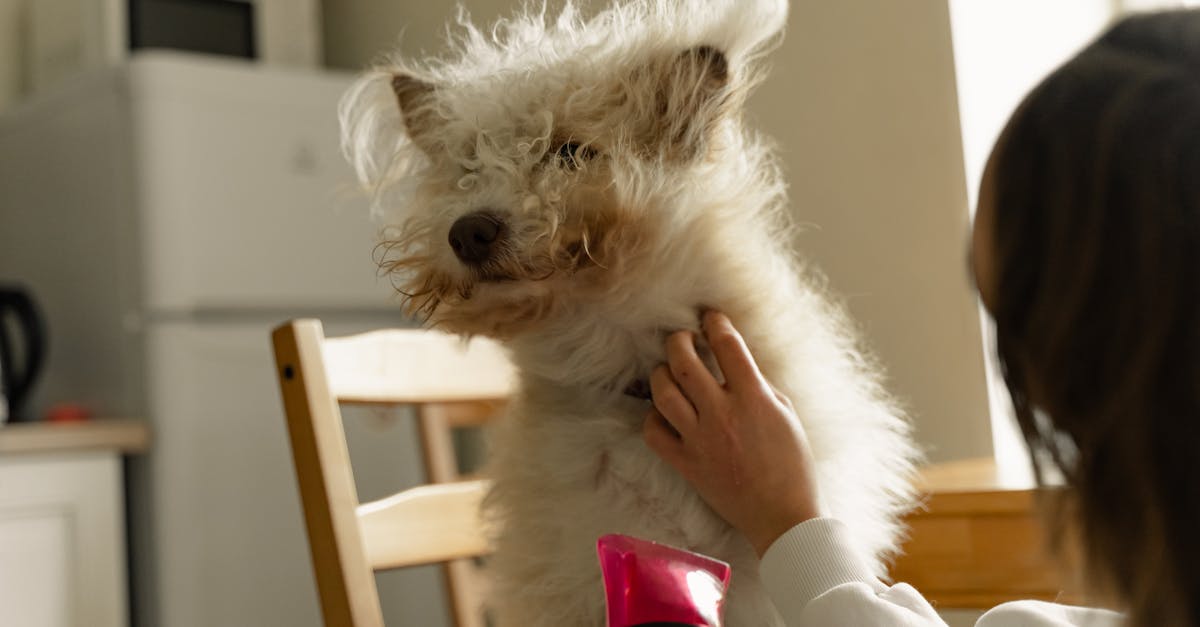
Everyday pet care works best as a calm routine, not a pile of emergency reactions. Food, water, cleaning, enrichment, home safety, and observation need to be simple enough to repeat during a busy week.
Use this page to choose the right pet care guide before changing a routine or bringing a pet home.
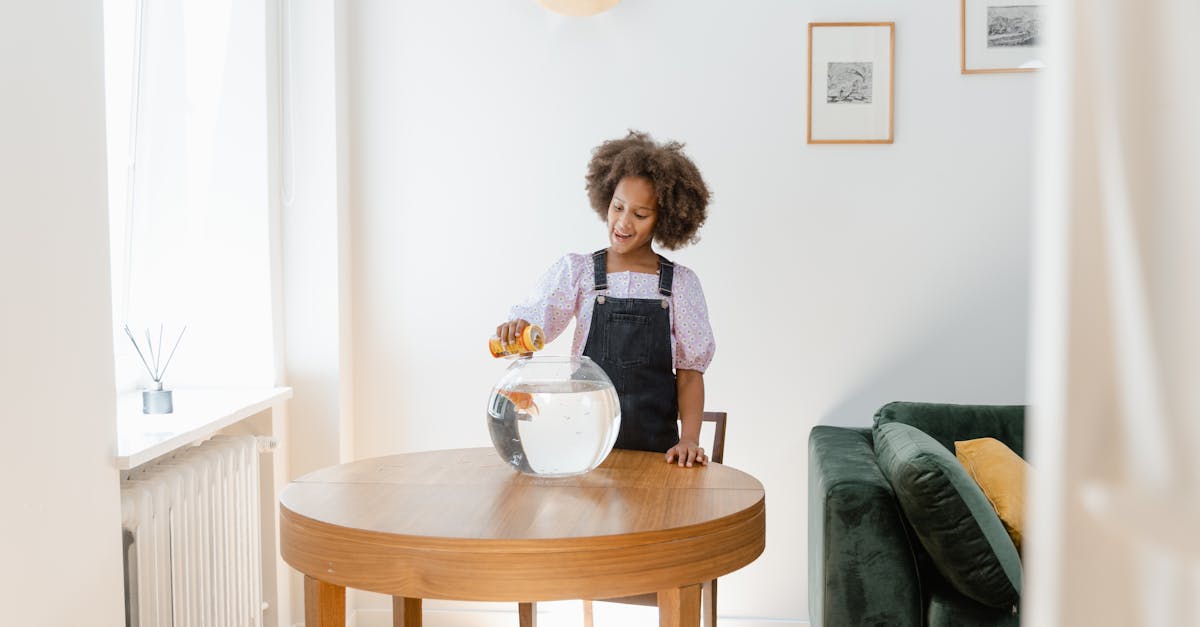
Pet Care Routine Router
Use this card to pick the next everyday care guide.
| Situation | Use this guide | Note to save |
|---|---|---|
| New animal is arriving | home preparation | safe room, supplies, and first-day limits |
| Dog routine feels scattered | dog care basics | feeding, walks, cleaning, and behavior notes |
| Cat routine needs calm | cat care basics | litter, food, water, scratching, and hiding spots |
| Home hazards are unclear | pet-safe home checklist | rooms checked and risks removed |
Prepare The Home First
Use the new pet home guide before the first day. A calm setup reduces preventable stress for the animal and the owner.
Make Weekly Care Repeatable
Use the weekly routine guide when tasks are scattered across memory. A visible rhythm makes small changes easier to notice.
Save Concerns For The Vet
Use the dog, cat, and home safety guides for everyday observation, then contact a veterinarian when health, behavior, pain, or urgent safety concerns appear.
Petatet Guides In This Cluster
- Read A Simple Weekly Pet Care Routine For Busy Owners when pet care is the next practical problem.
- Read Cat Care Routine Basics: A Calm Weekly Checklist when cat care basics is the next practical problem.
- Read Dog Care Routine Basics: A Practical Checklist For New Owners when dog care basics is the next practical problem.
- Read How To Prepare Your Home Before Bringing A New Pet Home when new pet preparation is the next practical problem.
- Read Pet-Safe Home Checklist: Small Fixes That Prevent Common Problems when pet safety is the next practical problem.
How To Use Petatet Without Making The Topic Heavier
- Pick the guide that matches the next decision instead of opening every article at once.
- Use the worksheet, table, script, or routine card inside the guide before making the next change.
- Save health, pain, injury, behavior, diet, medication, and urgent safety questions for a veterinarian or qualified professional.
- Review the result after one real cycle and keep only the steps that made the decision clearer.
Review The Routine After A Normal Week
Pet care guidance is most useful when it helps the owner notice ordinary patterns. After one guide, review food, water, bathroom, rest, play, grooming, and home safety notes from a normal week rather than one unusually easy or stressful day.
- Keep the routine small enough to repeat during a busy week.
- Write down changes in appetite, bathroom habits, movement, mood, or comfort.
- Contact a veterinarian when health, pain, injury, behavior, or urgent safety concerns appear.
- Return to the hub when dog care, cat care, home setup, or room safety becomes the next task.
Pet Care Boundary Checks
Pet care routines help with everyday observation and home setup, but health, behavior, pain, injury, diet, medication, and urgent safety concerns need qualified care.
| Signal | What to do | What to avoid |
|---|---|---|
| Sudden health change | contact a veterinarian | waiting for a checklist to solve it |
| Pain or injury appears | seek qualified help promptly | testing home fixes first |
| Behavior feels unsafe | ask qualified behavior or veterinary support | ignoring risk to people or animals |
The narrow purpose of this hub is to reduce wandering. Each linked guide has a concrete artifact, a decision point, and a boundary check, so the next action can be chosen from the situation in front of you rather than from a long archive. Use the hub again when the first guide produces a result and a more specific follow-up question appears.
This hub exists to make pet care routines easier to navigate on petatet.com. Start with the closest problem, use the concrete artifact, then move to the next guide only when it answers a real follow-up question.