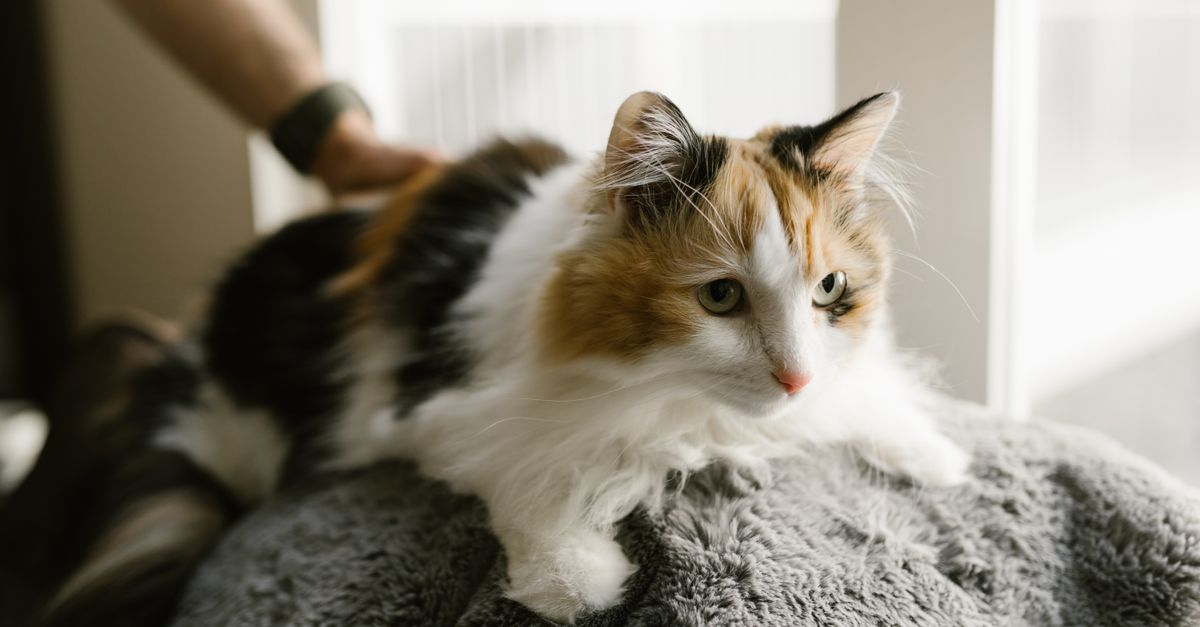
A useful cat care routine is not a perfect schedule. It is a repeatable way to notice ordinary patterns: where the cat eats, how often the litter box is used, whether grooming looks normal, and which home changes seem to create stress.
Start with the parts of care that happen every day. Food, water, clean bowls, a usable litter box, safe resting places, and short play sessions tell you more than a complicated tracker that gets abandoned after a week.
Build The Week Around Observable Cat Habits
For example, a cat that usually finishes breakfast by midmorning but suddenly leaves most of it untouched for two days has given you a clearer signal than a vague feeling that something is off. The routine should make that signal easier to see.
Keep the notes plain: appetite normal or lower, water bowl refilled once or twice, litter clumps normal or changed, grooming coat smooth or matted, play interested or withdrawn. If a pattern changes sharply, contact a veterinarian instead of trying to solve a medical question from a checklist.
Cat Care Routine Basics Decision Table
| Check | Evidence | Next move |
|---|---|---|
| Litter box pattern | Usual number of clumps, stool appearance, and whether the cat avoids the box | Clean the box, check location stress, and call the vet for pain, straining, blood, or sudden change |
| Food and water | Meals finished, water refills, and whether appetite changes last beyond a normal picky day | Keep the diet steady while you document the change and ask for veterinary advice when it persists |
| Grooming and coat | Mats, dandruff, over-groomed areas, or a coat that suddenly looks neglected | Add gentle brushing and note whether discomfort or mobility may be involved |
| Play and hiding | Interest in toys, use of perches, and whether hiding follows noise or household disruption | Reduce stressors, protect quiet space, and review the home setup before adding new products |
Use Sources For Boundaries, Not Panic
The AVMA pet owner resources are useful for checking when an observation belongs in a veterinary conversation. The ASPCA poison control information is the right boundary for possible toxin exposure, not a casual search result.
Petatet already has broader home-prep coverage in the new pet home preparation guide and safety coverage in the pet-safe home checklist. This routine is narrower: it is the weekly observation loop after the cat is already living with you.
A Worked Example For A Busy Week
Take the example of a cat owner who works late three nights in a row. The weak version is to buy a new feeder, new litter, and a new toy at once. The better choice is to keep food and litter stable, add ten minutes of predictable play before bed, and write down whether appetite, litter, and hiding return to normal by the weekend.
That small routine gives the owner something useful to say if professional help is needed: what changed, when it changed, what stayed the same, and which home stressors were present. It also avoids making five changes at once and losing the evidence.
The routine also helps divide jobs in a household. One person can refill water and food, another can scoop and watch the litter pattern, and a third can handle play or brushing. Shared responsibility matters because missed care is easier to spot when each task has a visible owner rather than a vague promise that someone will do it later.
Do not make the notes more complex than the care. A small card on the refrigerator or a short phone note is enough: date, food, litter, grooming, play, and concern. The point is not to collect data forever. It is to have a baseline when a change is real enough to discuss with a veterinarian.
Keep The Routine Small Enough To Repeat
A weekly review can be five minutes: scan the notes, refill supplies, wash bowls, check scratching surfaces, look for hazards, and choose one adjustment. The value is consistency, not volume. A routine that survives ordinary weeks will catch more real changes than an ambitious plan that disappears.