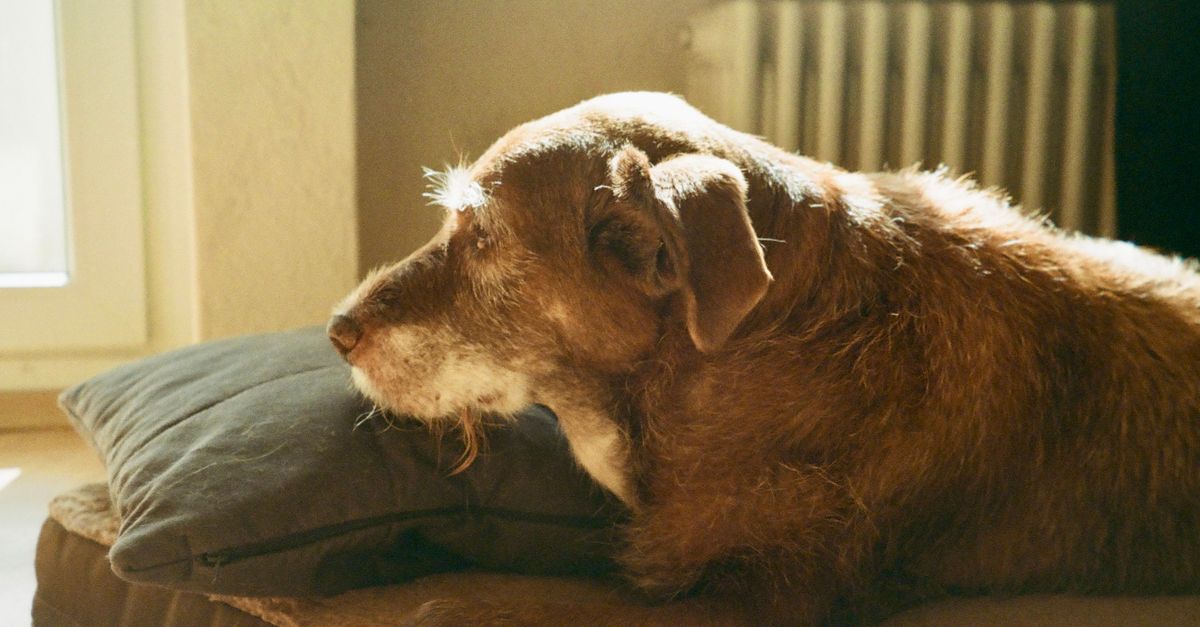
A senior pet routine should make quiet changes easier to see. Older cats and dogs often change slowly, so the useful habit is not a dramatic overhaul. It is a simple baseline for eating, drinking, bathroom patterns, movement, sleep, grooming, and mood that the owner can actually keep during a normal week.
Start with what is already true at home. Write down the usual food amount, favorite resting places, stair or sofa habits, litter box or outdoor bathroom rhythm, and the time of day when the pet is most comfortable. That baseline keeps the next adjustment grounded in observation instead of worry.
Senior Pet Routine Adjustments To Notice Early: What Changes The Decision
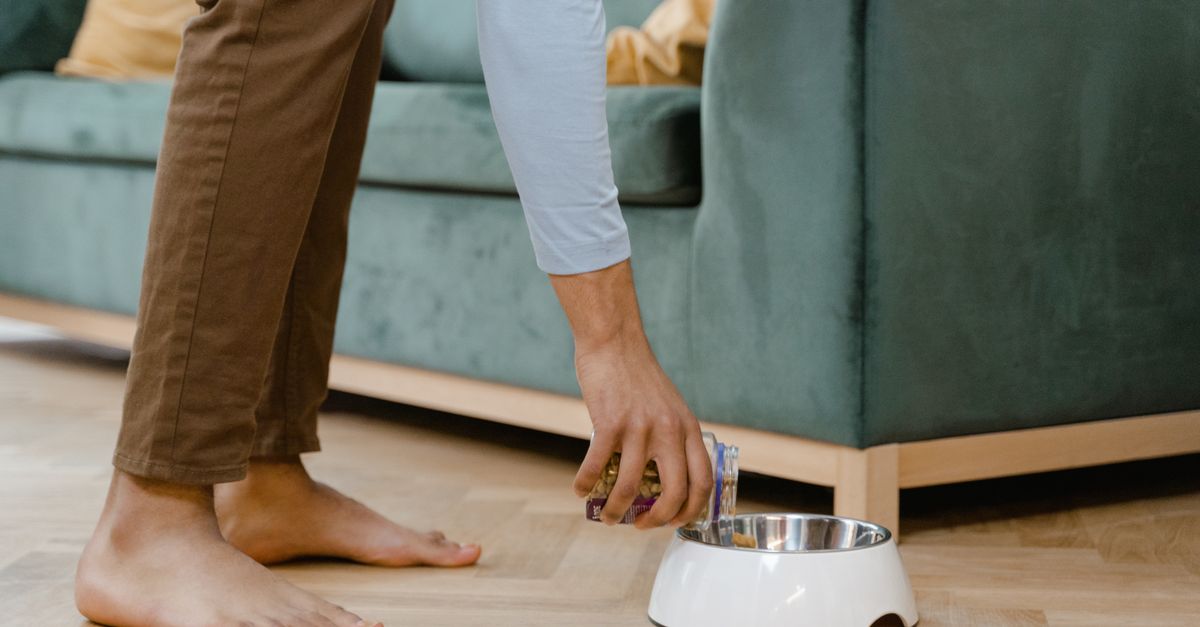
The first adjustment is friction reduction. Move water closer to resting areas, keep bowls stable, add a non-slip mat where paws slide, and make the path to beds, doors, or litter boxes easier. These changes do not diagnose anything; they remove avoidable strain while you watch whether the pet uses the home differently.
The second adjustment is a weekly comfort note. For example, an owner of an older dog might record that morning stairs were slower on Tuesday, appetite stayed normal, and the dog still wanted the evening walk. That note is more useful than a vague memory because it separates one odd day from a pattern worth discussing with a veterinarian.
Senior Pet Routine Adjustments To Notice Early: Field Checklist
Use this senior routine card: food and water normal or changed, bathroom pattern normal or changed, movement easier or harder, sleep location stable or new, social behavior engaged or withdrawn, grooming normal or neglected, and one sentence about anything that surprised you. Keep it short enough to finish in two minutes.
| Check | What to look for | Next move |
|---|---|---|
| Food and water | Normal amount, slower eating, new thirst, skipped meals | Keep the setup stable and call a veterinarian for persistent appetite or drinking changes. |
| Movement | Stairs, jumping, standing up, slipping, walk length | Remove friction first, then record whether the easier route is used. |
| Bathroom routine | Frequency, accidents, litter box access, urgency | Note dates and patterns; seek veterinary help for sudden or repeated changes. |
| Mood and rest | Hiding, restlessness, clinginess, sleep location | Compare against the pet’s normal week instead of guessing from one moment. |
Senior Pet Routine Adjustments To Notice Early: Worked Example
Do not change food, supplements, medications, and exercise at the same time unless a veterinarian has told you to. One change at a time makes the result easier to understand. If appetite drops, drinking changes sharply, breathing looks difficult, pain seems likely, or poisoning is possible, the routine card has done its job and professional care comes first.
The routine also needs an owner. Choose one person to update the note each week, because shared memory gets blurry when several people feed, walk, clean, and comfort the same pet. A dated note gives the veterinarian better context if a concern develops.
Senior Pet Routine Adjustments To Notice Early: Trust Boundaries
External references help set the boundary. The AVMA senior pet material is a better place for age-related veterinary context, and ASPCA poison control is the reference to keep visible for urgent exposure questions. A home routine should support those decisions, not replace them. See AVMA senior pet care overview and ASPCA animal poison control for source context.
Senior Pet Routine Adjustments To Notice Early: Related Planning
Connect this article to the rest of the home care library by using the weekly routine as the base layer. Cat care and dog care checklists help with ordinary maintenance; the senior card adds a narrower lens for changes that deserve a date, a note, and sometimes a call. Helpful next reads include Cat Care Routine Basics: A Calm Weekly Checklist and Dog Care Routine Basics: A Practical Checklist For New Owners.