
A basic dog care routine should make feeding, walks, grooming checks, enrichment, training notes, and veterinarian contact points easy to repeat.
Build a dog routine around predictable meals, water, walks, bathroom breaks, coat and paw checks, enrichment, simple training notes, cleanup, and professional care boundaries.
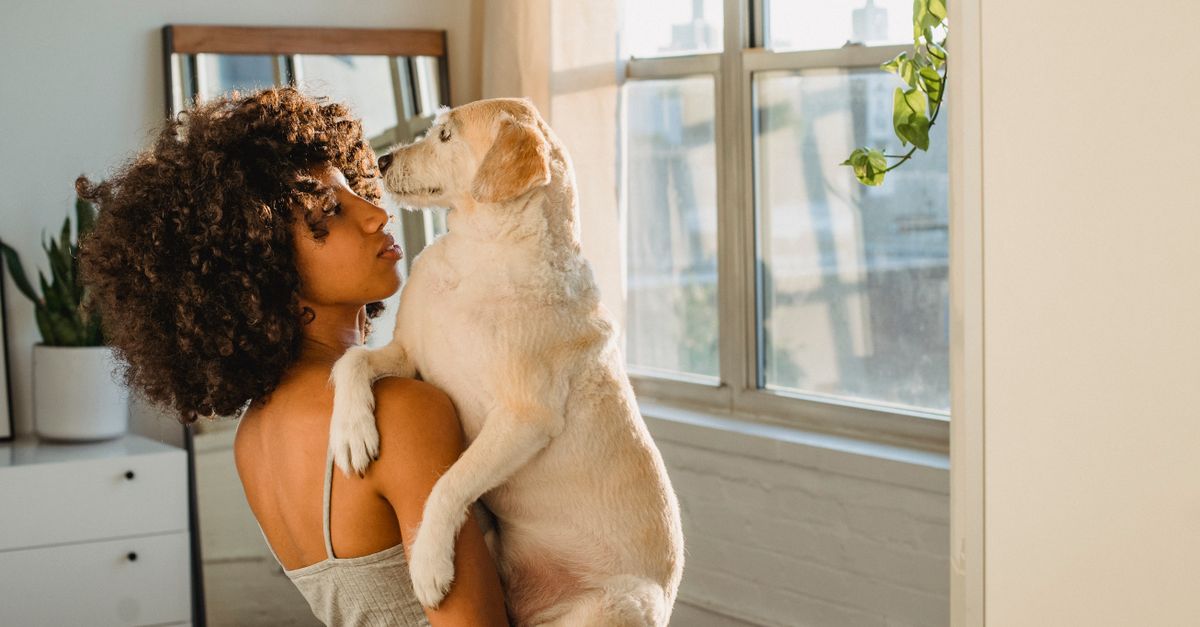
Build The Dog Routine Around Predictability
Dogs often do better when daily care feels consistent. A written routine helps every household member keep the same expectations.
Start with the check that would change what you do today.
Daily Dog Care Snapshot
Use the table to slow the decision just enough to notice the important evidence. It turns general dog-care advice into a visible choice, a concrete sign to check, and a next action. Dogs often do better when daily care feels consistent. A fridge note or shared checklist can prevent missed meals, walks, and medication reminders.: Write down the exact evidence before changing the pet care routines plan. For a daily dog routine, that distinction keeps normal chores separate from issues that need a veterinarian or trainer.
A short routine is easier to repeat than a perfect routine nobody follows.
What To Check Before Changing The Routine
Use the table to separate a normal care task from something that needs outside help. Use it to move from vague worry to one observable habit or symptom.
| Decision point | Evidence to look for | Better next move |
|---|---|---|
| care assumption | Dogs often do better when daily care feels consistent. Keep the routine simple enough that a sitter could understand it quickly.: Write down the exact evidence before changing the pet care routines plan. | Write down the exact evidence before changing the pet care routines plan. |
| owners risk | Dogs often do better when daily care feels consistent. Review the routine after health changes, appetite changes, new medication, or a noticeable shift in energy. | Slow the decision down if this detail would change timing, cost, safety, or ownership. |
| owner next step | A short routine is easier to repeat than a perfect routine nobody follows. | Confirm the open question with the right tool, operator, professional, or local source. |
For dog-care routines, keep the focus on observable daily needs: appetite, water, bathroom habits, comfort, movement, and behavior. Use the table when the household is about to change timing, food, walks, or supervision. The card works best when the household writes down what actually happened., Dogs often do better when daily care feels consistent. Update the routine when walks, meals, sleep, or bathroom habits start looking different.: Write down the exact evidence before changing the pet care routines plan., and Dogs often do better when daily care feels consistent. Bring the routine notes to the veterinarian when a change looks persistent or concerning. identify the practical detail that changes the next step, which one is only a reminder, and which one needs confirmation before it drives the next decision.
What To Check Before Changing The Routine: Follow-Up Check
A predictable rhythm helps owners notice changes and helps dogs understand the day. The routine should fit the dog’s age, health, and professional advice. Dogs often do better when daily care feels consistent. Bring the routine notes to the veterinarian when a change looks persistent or concerning. That separation helps owners decide what can wait until tomorrow and what should be handled before the next walk or meal.
health, medication, poison, emergency, and behavior concerns belong with a veterinarian or qualified animal professional. This boundary makes the piece more honest because it shows when a general guide has done its job and a real professional, local operator, platform document, or account-specific screen has to take over.
Set A Feeding, Water, And Walk Rhythm
A short routine is easier to repeat than a perfect routine nobody follows. Use the rows when a sitter, walker, or family member needs a clear handoff. Treat each row as a way to decide whether to keep the routine, adjust it, or ask for help. It also makes the routine easier to share with family members, walkers, sitters, or clinic staff.
Use the comparison when a new symptom or routine change needs a calmer decision. Treat each row as a way to decide whether to keep the routine, adjust it, or ask for help.
A Simple Week-One Dog Routine
For the first week, keep the routine boring on purpose: meals at roughly the same times, fresh water checked morning and evening, bathroom breaks before long gaps, and one short note about appetite, stool, energy, and comfort. If the dog skips food, limps, vomits, seems unusually tired, or gets into something unsafe, the routine should pause and a veterinarian should guide the next step.
A weak routine says only “feed and walk the dog.” A better routine says who feeds, where the food is measured, when the walk usually happens, what normal behavior looks like, and which changes are worth calling the clinic about. That level of detail makes care easier without pretending every small change is an emergency.
Dog Care Safety Sources Worth Checking
For extra context, compare AVMA pet owner resources and ASPCA Animal Poison Control and AVMA responsible pet ownership resources with the details in your own situation. Use those sources to check safety boundaries, then adapt the routine to your own dog and veterinarian’s advice.
Next Petatet Guides For New Owners
The next useful step is to connect this decision to nearby work instead of treating it as a dead end. Read Pet Care Routine Guides, Cat Care Routine Basics: A Calm Weekly Checklist, How To Prepare Your Home Before Bringing A New Pet Home when you need the next practical pet-care planning step.
What Makes A Dog Routine Useful
A useful dog routine is not a long list. It is a shared household habit that makes normal care easier and makes unusual changes easier to notice.