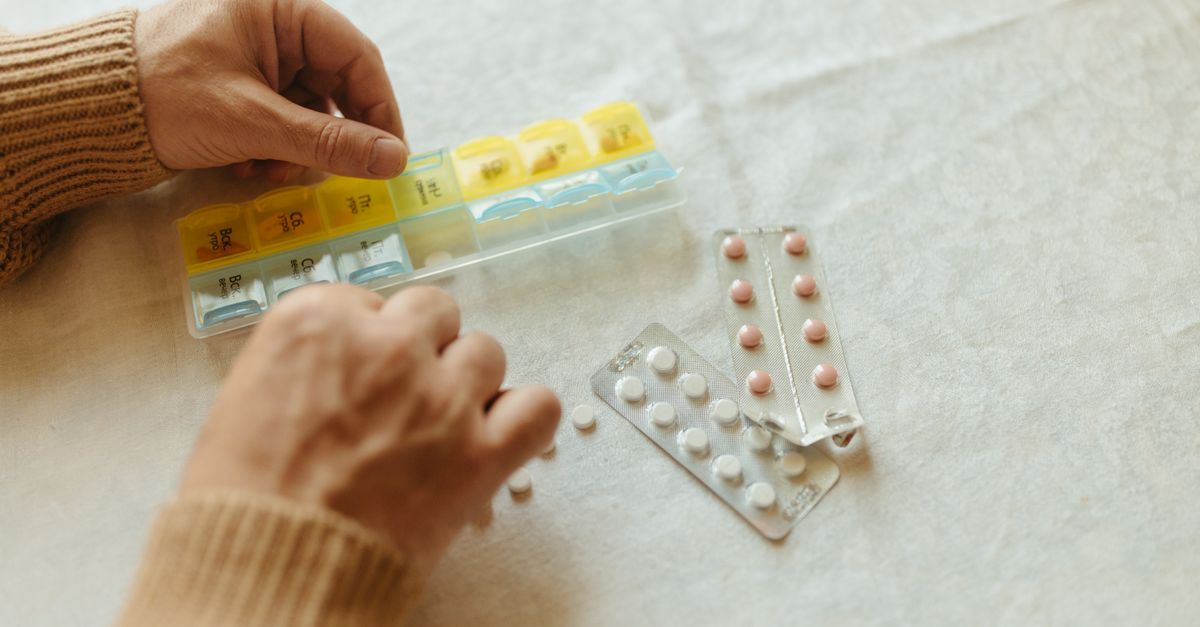
Pet medication notes are not a substitute for veterinary advice. They are the household record that keeps everyday care from depending on memory, especially when more than one person feeds, walks, watches, or medicates the animal.
The useful note answers four questions quickly: what was given, when it was given, what the pet did afterward, and what the veterinarian actually told the household to do next. Anything beyond that should stay simple enough to read during a busy morning or a late-night concern.

Record The Current Instruction, Not A Memory Of It
Start with the medication name exactly as it appears on the label, the prescribed dose, the route, and the schedule. Add the prescribing veterinarian or clinic, the date the instruction was given, and any storage note such as refrigeration or keeping the bottle away from children and other pets.
The note should also say who gave the dose. A simple initial beside each entry prevents double dosing when one person leaves early and another person handles the evening routine. If the label and a newer clinic instruction disagree, pause and call the clinic instead of choosing the direction that seems most convenient.
Keep A Small Log For Missed Or Unusual Doses
Missed doses need a record, not improvisation. Write the scheduled time, the time you noticed the miss, and whether you contacted the clinic or followed printed instructions. Do not guess a replacement schedule from a general article, because the safe answer depends on the medication and the pet.
A weak household system says, “the medicine is on the counter, everyone knows.” A safer system says, “the 7 a.m. dose was given by MK, the dog ate breakfast afterward, and the next scheduled dose is still the evening dose unless the clinic says otherwise.” The difference is not paperwork; it is preventing two people from making separate assumptions.
Pet Medication Notes To Keep At Home: Decision Evidence Table
Use this table as the visible household record. Keep it short enough that a sitter or family member can use it without reading a full care history.
| Care detail | Record in the note | When to call the clinic |
|---|---|---|
| Normal dose | Medication, amount, time, route, and caregiver initials | If the label and current instruction disagree |
| Missed dose | Scheduled time, discovery time, and action already taken | Before doubling, skipping, or shifting the next dose |
| New symptom | What changed, when it started, whether it repeated, and recent dose timing | Promptly for breathing trouble, collapse, poisoning concern, severe vomiting, or rapid decline |
Place The Note Where Care Actually Happens
Put the current medication note near the supplies, but keep it separate from older instructions. A clipboard, labeled folder, or shared household note can work if everyone knows which version is current. Cross out discontinued medication rather than leaving it beside active directions.
If a sitter is coming, leave the note with the food routine, clinic phone number, emergency clinic number, and a short description of what is normal for the pet. A sitter does not need every past detail; they need the active instruction, the normal behavior to expect, and the phone number to use when something feels wrong.
Worked example: if a cat takes a short-term antibiotic with breakfast, the note might list the medication name, dose, breakfast time, initials, whether the cat ate afterward, and the clinic instruction for a missed dose. That gives the next caregiver enough context without asking them to interpret the prescription bottle alone.
Know What Belongs With The Veterinarian
Medication changes, side effects, poison exposure, pain, seizures, breathing changes, and sudden behavior changes belong with a veterinarian or qualified animal professional. A home note helps you describe what happened; it should not become the authority for changing treatment.
For background on responsible pet care and urgent poison concerns, keep the AVMA responsible pet ownership resources and ASPCA animal poison control close to the clinic guidance you already received.
Connect The Note To The Rest Of The Routine
Medication notes work better when the ordinary routine is stable. The feeding, litter, walking, and observation habits in Cat Care Routine Basics: A Calm Weekly Checklist, A Cat Litter Box Review Before Small Problems Grow, and Dog Care Routine Basics: A Practical Checklist For New Owners give the record more context.
The standard is modest: a caregiver should be able to read the note, give the right dose, notice a meaningful change, and know when to call the clinic instead of guessing.