A pet sitter can follow a normal routine from memory or a quick text, but emergencies need better notes. The owner may be in another time zone, the pet may be stressed, and the sitter should not have to guess who can make decisions.
Pet sitter emergency notes are not a medical plan. They are a handoff that puts current contacts, veterinary details, medication instructions, behavior warnings, and permission boundaries where the sitter can find them quickly.

Write The Contact Chain Before You Leave
The first section should name the owner, travel contact method, time zone, backup decision-maker, regular veterinarian, nearest emergency clinic, and preferred way to pay or authorize urgent care if that becomes necessary.
For example, if the owner is unreachable during a flight, the sitter should know whether to call a partner, neighbor, family member, or veterinarian first. The chain should be simple enough to follow under stress.
The Emergency Notes Block To Leave For The Sitter
Copy this block into the sitter note: owner contact, backup contact, vet contact, emergency clinic, pet name and age, microchip or ID details, medications with dose and timing, feeding routine, hiding places, carrier location, and when to call the vet.
Add one sentence about decision limits. For instance: if breathing, collapse, poisoning, severe pain, bleeding, repeated vomiting, or sudden major behavior change appears, call the veterinarian or emergency clinic rather than waiting for me to reply.
Separate Routine Notes From Health Notes
Routine notes describe food, water, litter, walks, doors, toys, cleaning supplies, and normal behavior. Health notes describe medication, current issues, recent changes, and symptoms that should trigger a veterinary call.
Keeping those sections separate helps the sitter act calmly. A cat hiding under the bed may be normal for one pet and concerning for another. The note should say what is normal for this animal.
Sources Used For Pet Care Boundaries
Use these sources for animal-care and sitter-safety context: AVMA guidance on animal care while away (Use for medical information and care instruction context.); ASPCA pet sitter safety guidance (Use for emergency contacts and pet information context.).
The sources are general guidance. A pet with medication, recent illness, mobility limits, anxiety, or travel stress needs instructions from the veterinarian who knows the case.
Worked Example: Medication And Hiding Behavior
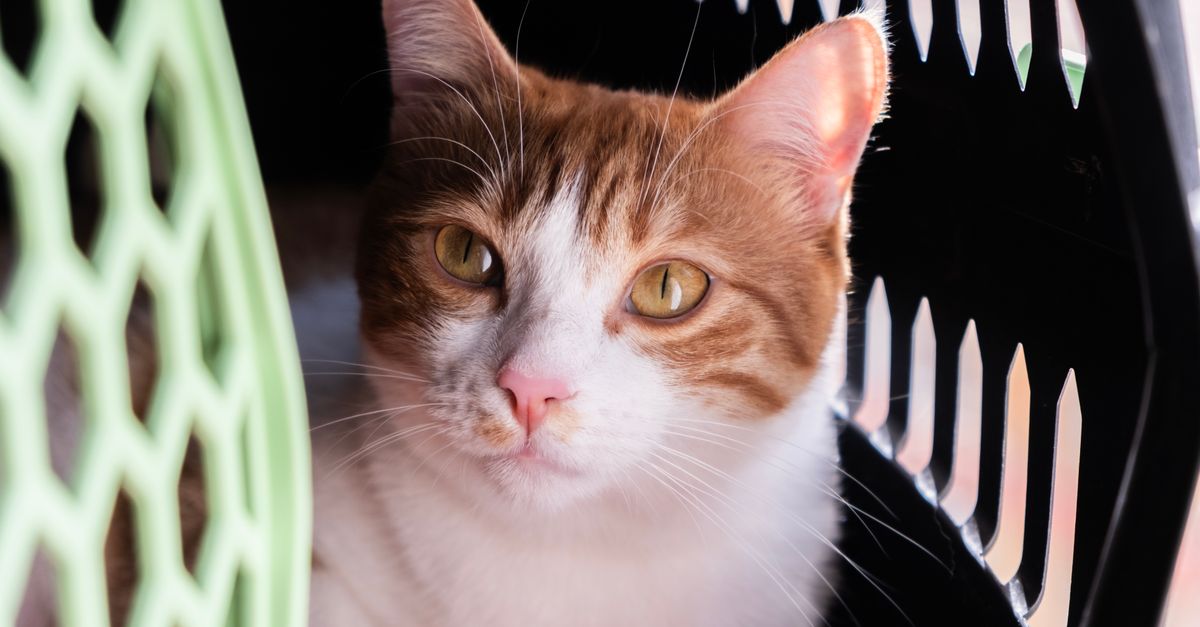
Imagine a cat who takes medication each evening and hides when strangers enter. The emergency note should say where the medicine is stored, the exact dose, whether it can be given with food, the usual hiding spots, carrier location, and what counts as a missed-dose concern.
That note does not ask the sitter to diagnose anything. It gives enough context to follow the routine, notice a change, and call the right person when the situation moves outside ordinary care.
Review The Notes After The Trip
After the trip, ask what the sitter had to clarify. Update the note while the memory is fresh. The best emergency note gets shorter and clearer over time because it reflects what actually helped.
Permission And Payment Boundaries
Emergency notes should say what the sitter may approve and what requires a call. A pet owner may be comfortable authorizing a taxi to the vet, a basic examination, or a replacement bag of food, but not a major procedure without direct consent. Writing the boundary in advance protects the pet, the sitter, and the veterinarian from hesitation at the worst moment.
Payment instructions need the same clarity. Leave the clinic account name if one exists, the preferred payment method, and a maximum amount the sitter can authorize before reaching you. If a friend or family member is the backup decision-maker, include their full contact details and the situations where they should be called first.
What To Update After The Sitter Returns
The best notes improve after every trip. When the sitter returns, ask what was unclear, what took too long to find, and what detail would have helped. Update the feeding routine, medication timing, hiding places, walking route, door instructions, and emergency contacts while the trip is still fresh.
This turns the note into a living home routine instead of a one-time travel document. Over time it becomes easier for a sitter to step in, easier for the owner to leave calmly, and safer for the pet if something changes unexpectedly.
Keep A Printed Copy In A Predictable Place
A digital copy is useful, but an emergency note should also be printed and placed where the sitter expects to find it. Put it near the food station, medication basket, carrier, or front-door folder. In a stressful moment, a visible page can be faster than searching a message thread.
Make The Vet Call Easier
If a sitter has to call the vet, the note should remove as much friction as possible. Include the pet name used at the clinic, the owner name on the account, the microchip number if available, medication names, known allergies, insurance details, and permission language for the clinic to speak with the sitter during the trip.
Also include the normal baseline for the pet. A veterinarian can interpret symptoms better when the sitter can say what is unusual: appetite, water intake, bathroom routine, breathing, mobility, hiding, barking, or sleep. Emergency notes are more useful when they describe normal life as well as emergency contacts.
For related context on this site, keep these supporting guides close: Cat Care Routine Basics: A Calm Weekly Checklist A Cat Litter Box Review Before Small Problems Grow Dog Care Routine Basics: A Practical Checklist For New Owners.