
Every busy dog owner knows the arithmetic of guilt: the meeting ran long, the rain arrived, the walk shrank to twenty hurried minutes — and now the dog is circling the sofa at 8pm with a full battery and nowhere to spend it. The instinct is to treat the short walk as a failed day and promise a long one tomorrow, but the dog’s energy does not work in daily balances, and the dog does not need more miles so much as more job. The job, indoors, is enrichment: work for the brain that tires a dog the way a walk tires the legs. This article is a ten-minute menu for exactly those evenings, a rotation system that keeps it cheap, and the signs that tell you to stop. It extends rather than replaces the walking routine — on the days the walk goes well, nothing here is needed; on the days it keeps shrinking, this is the difference between a calm evening and a shredded slipper. For the broader rhythm, the dog walk routine for busy weeks and the weekly dog care routine for busy owners frame where enrichment fits.
The frame: a tired dog is a worked dog, and the brain tires faster than the legs. Ten minutes of sniffing, problem-solving, or training can do what an extra half hour on pavement would.
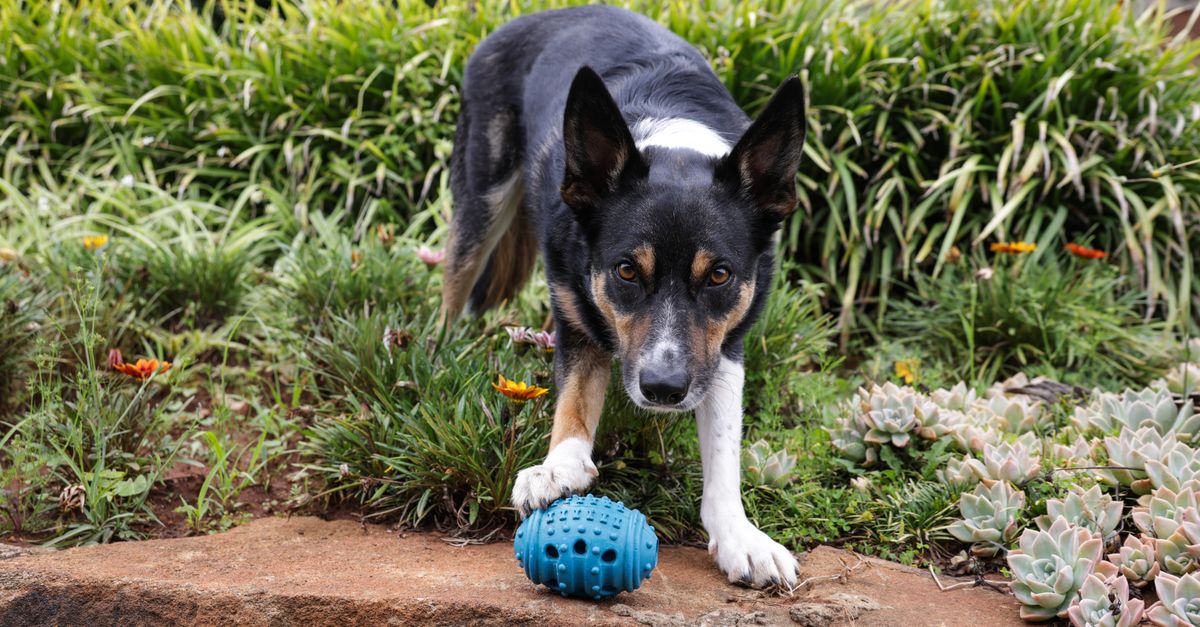
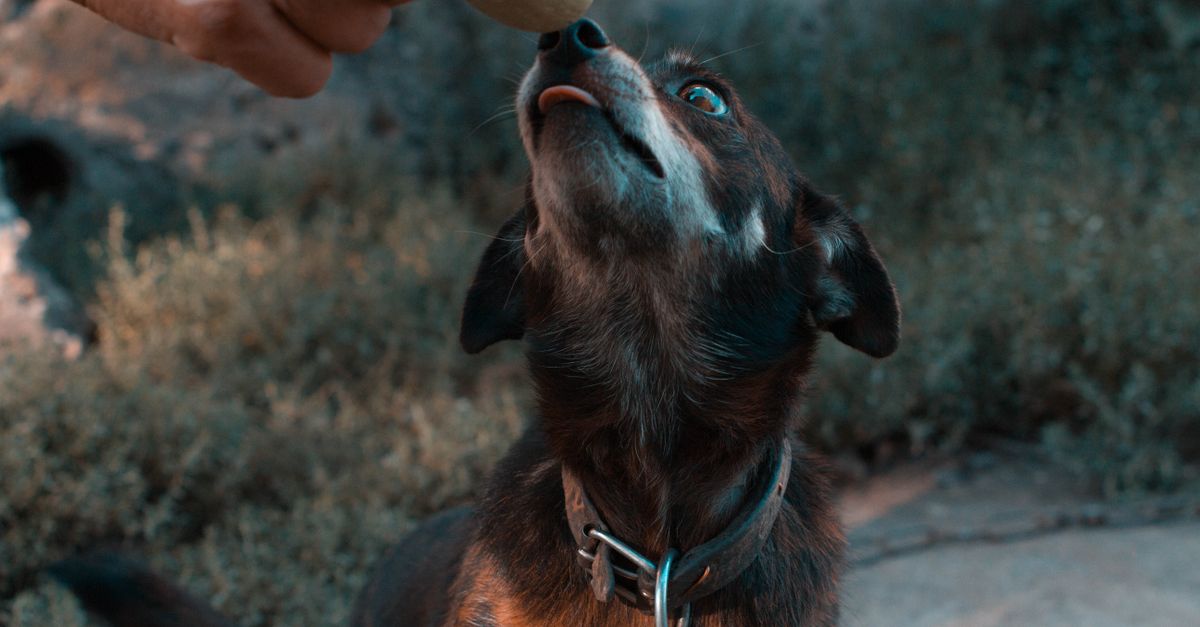
Why A Tired Dog Needs More Than Steps
Dogs were built for a day of small jobs: scouting smells, working for food, watching the territory, learning what pays. A leash walk delivers some of that, but a brisk exercise walk mostly delivers steps — cardiovascular work for a brain that was not primarily asking for cardio. The gap shows on the evenings when the walk happened and the dog is still restless: the body is tired, the mind is not. Enrichment closes the gap by restoring one of the dog’s ancestral jobs in miniature. Food-dispensing work turns dinner into a hunt. Sniffing games use the nose, which for most dogs is the largest single source of stimulation they own. Short training sessions give the social, thinking part of the brain a task with a paycheck. The concept is well covered in mainstream care guidance — the ASPCA’s pet care resources treat mental stimulation as a standard need alongside exercise — and the practical payoff is immediate: a dog who has worked for dinner settles; a dog who was merely walked sometimes does not.
The Ten-Minute Enrichment Menu
Keep a small menu of three stations and rotate among them on busy evenings. Station one: the sniff search — hide a handful of kibble around one room, say “find it,” and let the nose work; ten minutes of searching tires most dogs more than thirty of strolling, costs nothing, and works in any weather. Station two: the food puzzle — a stuffed frozen toy, a puzzle feeder, or a rolled towel with kibble folded inside turns the evening meal into twenty minutes of employment; prepare a few on Sunday and the busy weekday evening runs itself. Station three: the training ten — five repetitions each of two behaviors the dog half-knows, rewarded with dinner kibble, which tires the thinking brain and quietly improves manners at the same time. Worked application: a nurse on rotating shifts builds the menu into her the daily dog care checklist; on the post-night-shift evening when the walk is short, the sniff search happens at the door and the frozen toy comes out at dinner, and the dog — previously a menace on those evenings — is asleep by nine. Total added effort: about four minutes of her hands, which is the entire point of designing it in advance.
Rotating Toys So Old Ones Work Again
The most common enrichment mistake is access: a basket of fifteen toys available all day every day becomes wallpaper — the dog stops seeing them, and the owner concludes the dog is bored of toys. Rotation restores value with zero spending. Split the toy collection into three or four groups, keep one group out, and store the rest out of sight; every few days, swap. A toy that vanished two weeks ago is examined like a new purchase, which is the cheapest novelty in pet care. Add a rest-day rule for the favorites: the beloved plush that gets daily surgery lasts far longer if it appears twice a week. The same logic applies to the menu itself — stations stay effective partly because they are not constant, so if the sniff search ran Monday, the puzzle runs Tuesday. Within a month the system runs on a shelf and a Sunday habit, and guests routinely assume the dog’s calm comes from long daily hikes the owner has the good grace not to correct.
The Signs You Are Overdoing It
Enrichment has a dosage, and more is not automatically better. Watch for the three signs of overload. Frustration behaviors — barking at the puzzle, pawing it aggressively, quitting and pestering you — usually mean the task is pitched too hard, not that the dog needs a bigger challenge; step the difficulty down and build up over weeks, because confidence is the actual muscle being trained. Lingering arousal — the dog wired and unable to settle after the session — usually means the evening combined stimulation past the point of fatigue, and the fix is a calmer station choice at night: sniffing over training, which settles rather than excites. And food arithmetic — enrichment should come out of dinner, not on top of it, so kibble hidden and stuffed must be subtracted from the bowl to keep the day’s total honest. Beyond those three checks, enrich freely: it is one of the few investments in dog behavior that pays the same week, in a calmer evening, a better-rested dog, and an owner who stops negotiating with guilt every time the schedule wins.
If you want a starting point for tonight: the muffin-tin game. Drop kibble into a muffin tin, cover each cup with a tennis ball, and let the dog work the puzzle out. It costs nothing, takes two minutes to set up, and reliably buys a calmer evening than another apology does.
If you keep one rule: on the days the walk loses, give the dog a job instead of an apology. Ten minutes of nose work settles what thirty minutes of worry cannot.